
Ipswich Real Estate Market Trends 2026: Prices, Rents and Growth Suburbs
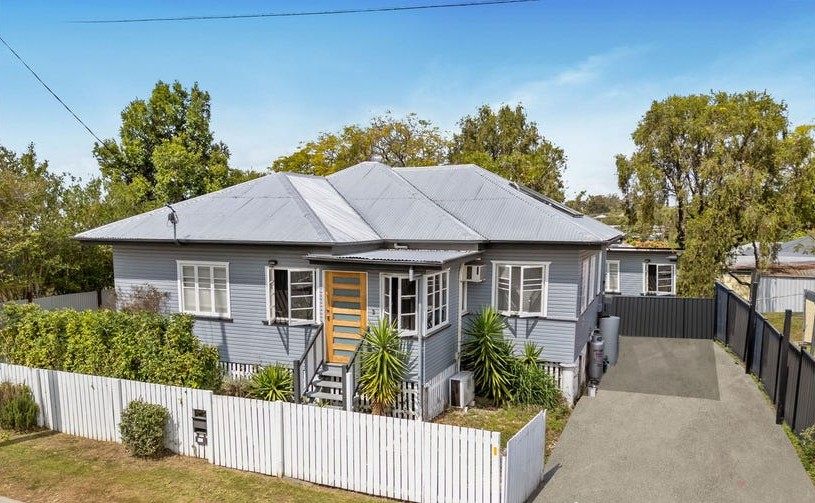
Ipswich is Queensland’s fastest-growing city, and its property market has become one of the most watched in South East Queensland. Affordable prices compared with Brisbane, rapid population growth, very low rental vacancy and major new communities at Springfield and Ripley continue to attract first home buyers, families and investors.
This guide covers the key Ipswich real estate market trends for 2026: prices and rents, what is driving demand, the infrastructure to watch, the suburbs to know, the risks, and how to buy well in Ipswich.
Published October 2026, replacing our 2024 Ipswich market trends article. Market figures come from several data providers, which measure them differently, so treat them as a guide and ask us for current suburb-level data.
Ipswich property market snapshot 2026
| Indicator | Latest reading |
| Population | 270,624 residents at 1 January 2026, up nearly 10,000 in 12 months (Ipswich City Council) |
| Median house price | Around $810,000 to $850,000, depending on the data source (mid-2026) |
| Median house rent | Around $550 to $580 a week, rising roughly 7–8% a year |
| Rental vacancy rate | About 0.7% (REIQ, June quarter 2026) |
| Brisbane comparison | Brisbane’s median dwelling value was about $1,048,880 in September 2026 |
| Dwellings | 98,313 across the city, with more than 12,000 in Greater Springfield |
The headline: Ipswich remains a more affordable alternative to Brisbane with a very tight rental market. Price growth has been more modest in 2026 than in the boom years, as higher interest rates have cooled the wider South East Queensland market.
Key Ipswich market trends for 2026
1. Population growth is still accelerating
Ipswich added nearly 10,000 residents in 2025 and about 30,000 in four years. Council expects the city to reach around 530,000 people within 20 years, which will require roughly another 100,000 homes. Ripley was one of the fastest-growing areas in Queensland, growing 15.4% in the year to June 2025, and Ripley and South Ripley almost doubled their population in four years to 19,389.
2. Affordability is driving demand
With Brisbane’s median dwelling value above $1 million, Ipswich offers houses on bigger blocks at a significant discount. That attracts first home buyers, families priced out of Brisbane, and interstate movers. Many buyers also use the Australian Government 5% Deposit Scheme (check the price cap for your location with the scheme’s online tool) and Queensland’s first home concessions on new homes in Ipswich’s growth estates.
3. The rental market remains extremely tight
Ipswich’s vacancy rate of about 0.7% in the June quarter of 2026 is one of the lowest in the state and well below the REIQ’s healthy range of 2.6–3.5%. Rents for houses have continued to rise, supporting investors’ cash flow even as interest rates climb.
4. Price growth has moderated in 2026
After strong gains in 2024 and 2025, four interest rate rises in 2026 and the Federal Budget’s changes to negative gearing and capital gains tax have slowed the market across South East Queensland. Some data providers show modest annual growth in Ipswich, others stronger figures; most agree momentum has eased since May. In a softer market, buyers have more choice and more room to negotiate.
- First home buyers, drawn by house prices well below Brisbane’s and by grants and concessions on new homes in the growth estates.
- Young families, attracted by larger blocks, new schools and master-planned communities.
- Investors, seeking a balance of rental yield and growth in a market with very low vacancy.
- Interstate and Brisbane movers, trading up to more space for the same budget.
- Lifestyle buyers, looking for acreage on the city’s rural fringe.
Ipswich’s economy supports its housing market. RAAF Base Amberley, the largest air force base in Australia, is a major employer, alongside the Ipswich and Springfield health and education precincts, manufacturing, and a growing logistics and warehousing sector along the Ipswich and Cunningham motorways. Council reports a $15 billion local economy that is still growing strongly. A diverse jobs base means steady demand from tenants and owner-occupiers.
- Find out how many lots are still to be released, and over what period.
- Choose positions near parks, schools and future town centres, not next to arterial roads.
- Check covenants and building requirements before you sign.
- Compare the total cost (land, build, landscaping and fencing) with established homes nearby.
- Use independent building inspections during construction.
- Ripley Road upgrade: council has set aside more than $108 million over three years for stages one and two, supporting the fast-growing Ripley Valley.
- Springfield Parkway and Augusta Parkway: council’s 2026–27 budget funds Stage 2 of the Springfield Parkway upgrade and continued work on Augusta Parkway and Sinnathamby Boulevard.
- Ipswich to Springfield Central public transport corridor: a 25 km corridor through Ripley and Redbank Plains, long protected for future transport and listed as an early-stage proposal by Infrastructure Australia. It is not yet funded, so treat it as a long-term possibility rather than a certainty.
- Ipswich Central: ongoing revitalisation of the city centre continues to add dining, retail and civic facilities.
For a longer view, see our article on the top 10 Ipswich infrastructure developments and our wider South East Queensland infrastructure guide.
Greater Springfield
A master-planned city with its own CBD, rail line, university campus and hospital, popular with families and professionals. See our suburb reports for Springfield Lakes, Augustine Heights and Brookwater.
Ripley Valley
Queensland’s fastest-growing area, with new estates, schools and a growing town centre. Expected to be home to around 120,000 people once fully built. Buy carefully: new estates can have a lot of competing supply.
Eastern suburbs
Established, affordable suburbs close to the Brisbane border, popular with first home buyers and investors. See our reports for Redbank Plains and Goodna.
Ipswich Central and surrounds
Character homes, larger blocks and proximity to the city centre and the Ipswich Hospital. See our reports for Brassall, Yamanto, North Ipswich and Flinders View.
Rural and lifestyle areas
Rosewood, Karalee and Pine Mountain offer acreage and a quieter lifestyle within commuting distance of Ipswich and Brisbane.
Browse all our Ipswich suburb reports.
With Brisbane’s median dwelling value around $1.05 million in September 2026, and its median house value higher still, a budget of $800,000 to $850,000 that buys a unit or a small older house in many Brisbane suburbs can buy a family house on a full-sized block in much of Ipswich. That value gap is the main reason so many first home buyers and young families choose Ipswich, and why investors find yields that are hard to match closer to the Brisbane CBD.
- Three or four bedrooms with a yard, for families.
- Access to transport and jobs: the rail line, the Ipswich and Centenary motorways, Amberley and Springfield.
- Schools and childcare within easy reach.
- Air conditioning and secure parking, which have become expected rather than optional.
- Flood-free locations, which tenants increasingly check before applying.
- Read our suburb report for the area, then check recent sales and rents.
- Look up the flood mapping and the property’s flood history.
- Find out how much new land is still to be released nearby.
- Visit at different times of day, including school pick-up and evening.
- Talk to local selling agents and property managers about demand.
- Flooding. Parts of Ipswich flooded in 2011 and 2022. Always check Ipswich City Council’s flood mapping and the property’s flood history, and get insurance quotes before you sign.
- New-estate supply. Large estates can release many similar homes at once, which can limit growth and lengthen sale times. Prioritise established pockets or the best-positioned lots.
- Interest rates. With the cash rate at 4.60% after four rises in 2026, make sure your repayments are sustainable if rates rise further.
- Infrastructure timing. Announced projects can be delayed or changed. Buy on today’s fundamentals, with future projects as a bonus.
Ipswich suits investors looking for a balance of yield and growth. Dual-income properties, such as a house with a granny flat, can deliver strong cash flow; see our Churchill dual-income case study (around 7.3% gross yield at purchase) and our high-yield Lockrose purchase. Remember that from 1 July 2027, negative gearing will be limited for established homes bought after 12 May 2026, so cash flow matters more than ever. Our explainer on the 2026 tax changes covers the details.
The short-term outlook for Ipswich depends largely on interest rates. With the Reserve Bank having raised the cash rate four times in 2026 and signalling it could go further, price growth is likely to stay subdued for a while, and some areas with plenty of new supply could see small falls. The long-term drivers are much stronger: a population expected to double within 20 years, jobs at Amberley, Springfield and the city’s health and logistics hubs, ongoing road investment, and a rental market with almost no vacancies. For buyers who choose well and plan to hold, a quieter market is a chance to buy in one of South East Queensland’s strongest growth stories without the competition of recent years. Our Winter 2026 market update covers the wider picture.
Ipswich is a diverse market, from heritage homes to brand-new estates and rural acreage, and the difference between a good and a poor purchase is often a single street. A local buyer’s agent can:
- identify the suburbs and streets that match your budget and goals;
- check flood risk, zoning and estate supply before you commit;
- find off-market and pre-market opportunities;
- negotiate the price and terms on your behalf.
We have helped clients buy across Ipswich, from a first home in Redbank Plains to a next home in North Ipswich and a Flinders View investment for a Defence family. Learn more about our Ipswich buyer’s agent services or contact us to start your search.
- Ipswich City Council: Queensland’s fastest growing city surpasses 270,000 residents
- Queensland Government Statistician’s Office: Population growth, regions of Queensland, 2024–25
- Ipswich City Council: Ipswich to Springfield Central Public Transport Corridor
- Leeson Valuers: REIQ vacancy rates, June quarter 2026
- PropTalk: Ipswich property investment guide 2026
- Cotality: Australian housing values down for sixth straight month (September 2026)
Is Ipswich a good place to buy property in 2026?
Ipswich combines prices well below Brisbane’s, rapid population growth and a rental vacancy rate of about 0.7%. As always, buy carefully: check flood risk and new-estate supply, and buy for the long term.
What is the median house price in Ipswich?
Around $810,000 to $850,000 in mid-2026, depending on the data source and how the city is defined. Ask us for current suburb-level figures.
How fast is Ipswich growing?
Ipswich had 270,624 residents on 1 January 2026, up nearly 10,000 in a year, and is expected to reach around 530,000 within 20 years.
Which Ipswich suburbs are growing fastest?
Council identifies Spring Mountain, Springfield Lakes, Ripley, South Ripley, White Rock, Deebing Heights and Redbank Plains among the fastest-growing suburbs.
Does Ipswich flood?
Parts of Ipswich flooded in 2011 and 2022. Always check Ipswich City Council’s flood mapping, the property’s history and insurance costs before buying.
What is the rental vacancy rate in Ipswich?
About 0.7% in the June quarter of 2026, according to the REIQ, far below the 2.6% to 3.5% range it considers healthy.
Is the Ipswich to Springfield rail line funded?
Not yet. The Ipswich to Springfield Central public transport corridor is protected and listed as an early-stage proposal by Infrastructure Australia, but construction has not been funded.