
Obtaining Your Dream Home: Our Step-by-Step Process for Finding the Right Property in Brisbane
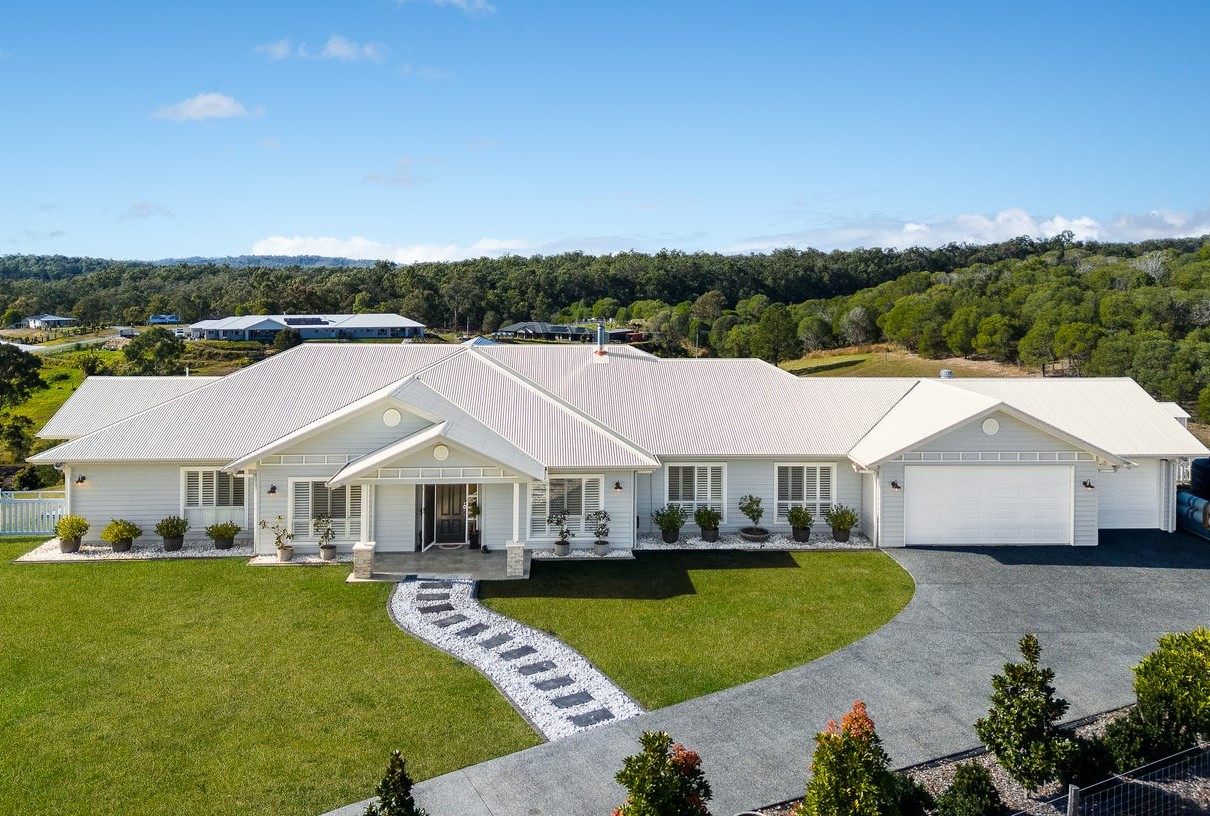
In almost every first meeting with a new client, the same question comes up: “Can you help us find our dream home, our forever home?” Our answer is always yes. Finding the right home is not luck. It is the result of a clear brief, deep local knowledge, a disciplined search and skilled negotiation.
This article explains, step by step, how IPS Buyer’s Agents finds the ideal property for our clients in Brisbane and South East Queensland, and how you can apply the same approach to your own search in 2026.
First published August 2024 and fully updated October 2026.
Why finding the dream home is so hard
Most buyers do not struggle because there is nothing for sale. They struggle because the right home is hard to recognise among hundreds of listings, often appears and sells quickly, and comes with trade-offs nobody warned them about. Common problems include:
- a brief that is too vague (“somewhere nice with a big yard”) or too rigid;
- not knowing what a fair price is in an unfamiliar suburb;
- missing homes that sell before they are widely advertised;
- discovering problems such as flooding, easements or building defects late;
- losing a home at the negotiation stage, or paying too much to secure it.
In 2026, with Brisbane listings up around 60% on a year ago and values easing after four rate rises, buyers have more choice and more bargaining power than they have had for years. That is a great opportunity, as long as you have a process for using it.
Step 1: Discovery, defining your dream home
We start by understanding your life, not just your budget. Who will live in the home? Where do you work, and how do you commute? Which schools matter? Do you need space for a home office, a boat, a granny flat or ageing parents? How long do you plan to stay?
We then turn your answers into a clear brief, separating must-haves (the deal-breakers) from nice-to-haves (the bonuses). A good brief saves weeks of wasted inspections and keeps decisions calm when the right home appears.
Questions we ask in a discovery meeting
- What does a normal weekday look like for everyone in the household?
- Which schools, workplaces or family members do you need to be close to?
- How long do you plan to stay, and how might your needs change in that time?
- What frustrates you most about where you live now?
- Which compromises could you live with, and which would make you regret the purchase?
- What is your comfortable budget, as opposed to your maximum?
Must-haves and nice-to-haves: an example
| Must-haves | Nice-to-haves |
| Four bedrooms | A pool |
| Within the catchment of a preferred state school | A second living area |
| Under 40 minutes to work | A north-facing backyard |
| Outside mapped flood areas | Side access for a trailer |
| Land of at least 500 m² | Recently renovated kitchen |
The location often matters more than the house. We compare suburbs on lifestyle, schools, transport, amenity, flood risk and long-term growth. Our suburb reports cover more than 200 suburbs across South East Queensland, and for families we often start with school catchments. Our guide to school catchments and government primary schools in Brisbane is a popular starting point.
Before you see a single property, we analyse the market in your target suburbs: recent sales, current listings, days on market and price trends. That tells you what your budget can realistically buy, which properties are well priced, and which are not. In a changing market like 2026, this is critical: asking prices can lag behind where the market really is.
We review every new listing that matches your brief, and we talk to selling agents every week. Because agents know we represent ready, qualified buyers, they often tell us about homes before they are advertised. These off-market and pre-market opportunities are frequently where our clients find their best homes. Learn more in our guides to genuine off-market access and on-market, pre-market and off-market property.
We inspect each shortlisted home in person and look beyond the styling: structure, drainage, orientation, noise, privacy, storage and street appeal. Then we check what you cannot see at an open home:
- the seller disclosure statement (Form 2) and certificates, required in Queensland since 1 August 2025;
- flood mapping, such as Brisbane City Council’s Flood Awareness Map;
- zoning, easements and nearby development;
- building and pest inspection reports.
This thorough approach means you make your decision with full information, not after settlement.
Once you have found the one, we negotiate on your behalf, using comparable sales and what we know about the seller’s situation. Price matters, but so do conditions, deposit and settlement timing. In the softer 2026 market, buyers can often secure finance and building-and-pest conditions that were impossible a year ago. Our guide on how to deal with selling agents explains our approach, and if the home is going to auction, see our guide to buying at auction in 2026.
After the contract is signed, we work with your solicitor or conveyancer and your mortgage broker to make sure every condition is met on time, from finance approval to building and pest, through to the pre-settlement inspection. You get your keys knowing nothing has been missed.
Every search is different, but a focused search with a clear brief often finds the right home within a few weeks to a few months. Settlement then usually takes around 30 to 60 days, depending on the contract. Buying in a softer market like 2026 can be quicker, because there is more choice and less competition, but we never rush a decision just to meet a deadline.
- Falling for the styling: furniture and fresh paint can hide a poor layout or structural issues.
- Overlooking the street: traffic, noise, a nearby commercial site or steep driveways matter every day.
- Skipping due diligence because the market feels competitive.
- Stretching beyond a comfortable budget: a dream home should not become a financial burden.
- Waiting for perfect: no home ticks every box; the right one ticks the must-haves.
- Samsonvale: a Hampton-style lifestyle home on acreage, secured below the original asking price.
- Albany Creek: an upsize into a high-growth family suburb.
- North Ipswich: a smart upsize with a buyer’s agent.
- Warner: a low-maintenance downsizer home close to family.
See more in our client success stories.
A home you will live in for years should be judged differently from an investment. For a dream home, lifestyle fit matters most: the commute, the schools, the feel of the street, the layout that suits your family. Paying a little more for the right home can make sense, because you are buying years of everyday enjoyment. For an investment, the numbers lead: yield, growth prospects, tenant demand and holding costs. Many buyers get into trouble by mixing the two, buying an investment with their heart or a home purely on spreadsheet logic.
Dream homes are often bought at a turning point in life: a growing family that needs more space, or empty nesters who want less maintenance. Both involve buying and selling at the same time, which adds pressure on timing and finance. In 2026’s softer market, upsizers can often buy first and negotiate a longer settlement, while downsizers have more time to find a quality, low-maintenance home close to family. Our upsizing guide and our off-market downsizer purchase in Warner show how it can work.
- Write down your must-haves and nice-to-haves, and share them with everyone involved in the decision.
- Get finance pre-approval before you start inspecting.
- Research two or three suburbs deeply rather than ten superficially.
- Keep a record of every inspection and what each home sold for.
- Read the seller disclosure and check flood maps early.
- Do not let a single home become an emotional must-have before the due diligence is done.
If you are buying your next home while selling your current one, our guide to upsizing in Brisbane covers the timing and finance.
The market conditions of 2026 favour prepared buyers. After four interest rate rises, Brisbane values have eased from their May peak, listings are up sharply, and many auctions are passing in. That means more homes to choose from, more time to make decisions and more room to negotiate on price and conditions. It also means more homes that have been sitting unsold for a reason. Our Winter 2026 market update and our guide to interest rates in 2026 explain the conditions in more detail. If your finances are secure and you plan to stay for the long term, a softer market can be the ideal time to secure the home you have been waiting for.
Finding your dream home can be challenging, but with the right process and the right team it becomes far more achievable. If you are struggling to find a property that ticks your boxes, contact IPS Buyer’s Agents. Our approach, process and relationships are designed to save you time and find the home you have been searching for. Learn more about our buyer’s agent services.
How do I find my dream home?
Start with a clear brief of must-haves and nice-to-haves, choose the right suburbs, research recent sales, search on and off the market, do thorough due diligence and negotiate on evidence.
How long does it take to find the right home?
With a clear brief and a focused search, often a few weeks to a few months, followed by a settlement period of around 30 to 60 days.
What checks should I do before buying a home in Brisbane?
Review the seller disclosure statement (Form 2), check council flood mapping, zoning and easements, and get building and pest inspections before the contract becomes unconditional.
Can a buyer’s agent find off-market homes?
Yes. Selling agents often tell buyer’s agents about homes before they are advertised, because buyer’s agents represent ready, qualified buyers.
What areas does IPS Buyer’s Agents cover?
Greater Brisbane, Moreton Bay, Ipswich, Logan, the Redlands, and the Gold and Sunshine Coasts.
How do I write a property brief?
List your budget, preferred suburbs, property type, must-haves, deal-breakers and timing. Separate must-haves from nice-to-haves so you can act decisively when the right home appears.
Is 2026 a good time to buy a home in Brisbane?
For buyers with secure finance and a long-term plan, the softer 2026 market offers more choice and more room to negotiate. Keep a buffer for further interest rate rises.
Should I buy my dream home at auction?
You can, but be fully prepared: arrange finance, inspections and legal advice beforehand, because auction contracts have no cooling-off period and are usually unconditional.