
Buying at Auction in Brisbane in 2026: How to Prepare and Bid With Confidence

By Tim AllenBuyer’s Agent and Director, IPS Buyer’s Agents
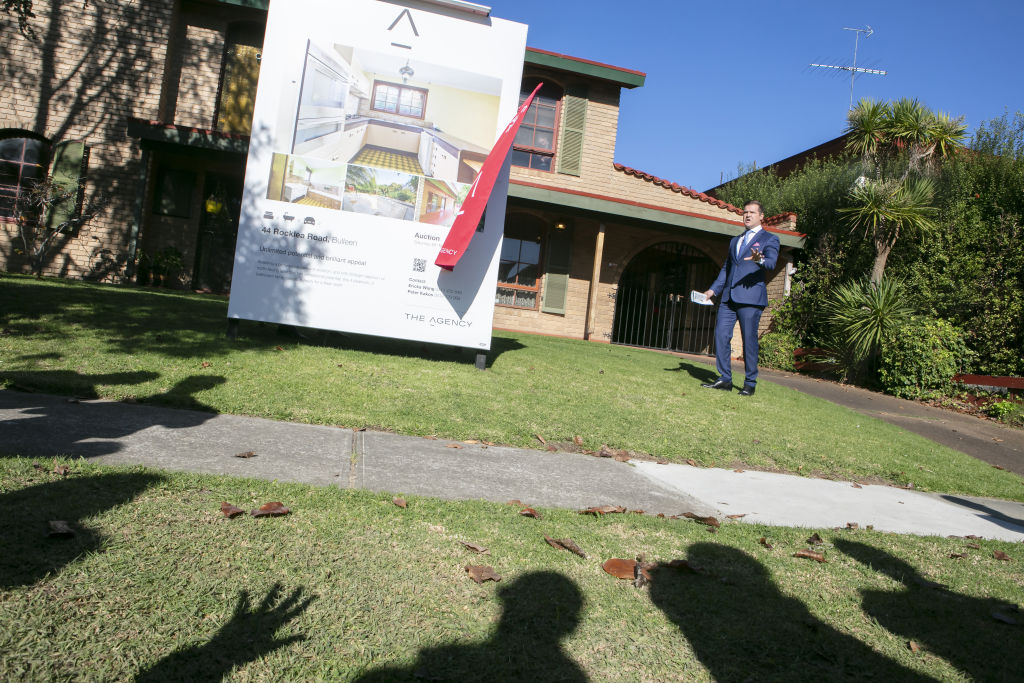
Auctions are one of the most common ways homes are sold in Brisbane, and one of the most stressful ways to buy. Decisions happen in minutes, there is no cooling-off period, and emotions run high. In 2026 the auction market has also changed dramatically: clearance rates that topped 60% a year ago have fallen to between roughly 20% and 40%, and many properties are being passed in.
That shift creates real opportunities for well-prepared buyers. This guide explains how auctions work in Queensland, how to prepare and bid with confidence, and how to use the 2026 market to your advantage.
First published April 2024 and fully updated October 2026. General information only; get legal advice on any contract before you bid.
The Brisbane auction market in 2026
In early 2024, auction activity surged across Greater Brisbane, the Sunshine Coast and the Gold Coast, and clearance rates regularly topped 70%. Competition stayed fierce through 2025. Then 2026 brought four interest rate rises, and the market cooled quickly:
- In late June 2026, Brisbane’s clearance rate was reported at around 35%, compared with 51% in the same week of 2025.
- By mid-July it was still around 20 percentage points below the same time a year earlier.
- In early October 2026, preliminary clearance rates in Brisbane were close to 21%.
A low clearance rate does not mean properties are not selling. Many are passed in and sold shortly afterwards through private negotiation. For prepared buyers, that is often where the best deals are made.
How auctions work in Queensland
Before you bid, make sure you understand the rules:
- No cooling-off period. If you buy at auction, or under an auction contract, the contract is unconditional. There is no cooling-off period and usually no finance or building-and-pest condition.
- Bidder registration. You must register to bid with the auctioneer or agent and show proof of identity.
- Seller disclosure. Since 1 August 2025, Queensland sellers must provide a seller disclosure statement (Form 2) and prescribed certificates before a buyer signs a contract, including at auction. Read it carefully before auction day.
- The reserve. The seller sets a confidential reserve price. If bidding does not reach it, the property is passed in.
- Vendor bids. In Queensland, bids can be made on behalf of the seller only within strict rules, and the auctioneer must disclose them. Know how to recognise one.
- The deposit. The winning bidder signs the contract and pays the deposit, often 10% unless negotiated otherwise, on the day.
The Queensland Government’s guide to buying property at auction sets out the rules in full.
- Talk to your mortgage broker. Know your borrowing capacity and get unconditional finance approval if possible. With rates rising in 2026, refresh any older pre-approval.
- Have the contract reviewed. A solicitor or conveyancer should review the contract, special conditions and seller disclosure before you bid.
- Inspect thoroughly. Organise building and pest inspections before the auction, because you cannot make the contract conditional on them afterwards.
- Research the price. Study recent comparable sales and set your limit based on value, not hope.
- Prepare the deposit. Confirm with the agent how and when the deposit must be paid, and have funds ready.
- Attend other auctions. Watching a few auctions in the area helps you understand the pace and the local auctioneers.
- Set a firm limit and stick to it. Decide your walk-away price in advance and do not let the room change it.
- Bid clearly and confidently. Strong, decisive bids signal that you are serious and can unsettle other bidders.
- Control the increments. Small increments can slow the momentum; well-timed larger bids can end competition early. Choose deliberately.
- Watch the room. Know who is bidding and how they are bidding. Hesitation from other buyers is information.
- Stay calm if it is passed in. If the property is passed in, the highest bidder usually gets the first chance to negotiate with the seller.
Auctioneers are skilled at building momentum. Listen for how they describe the bidding: phrases like “we’re on the market” mean the reserve has been reached and the property will sell to the highest bidder. If the auctioneer pauses to “consult with the vendor”, the bidding has usually stalled below the reserve. Watch how many genuine bidders there are, how quickly they respond and whether they bid in confident round numbers or hesitant small increments. All of this tells you how much competition you really face.
Imagine your research suggests a home is worth $850,000 to $880,000, and your firm limit is $880,000. You might let the opening bids happen, then enter with a confident bid once bidding slows, signalling you are a serious buyer. If competition continues, you bid quickly in clear increments, and you stop at $880,000 without exception. If the property is passed in below the reserve and you are the highest bidder, you negotiate with the seller with your research in hand. The strategy changes with the room, but the limit never does.
In a softer market, being the highest bidder on a passed-in property can be a strong position. You can negotiate privately with the seller, and you may be able to ask for conditions that would not be available under the hammer, such as finance or building-and-pest clauses. Make sure you are registered and bidding, so you are first in line if the property does not sell.
For buyers who prefer to avoid the auction altogether, pre-auction offers are another option. Agents may accept an offer before auction day, particularly in 2026, when many sellers are nervous about low clearance rates.
In 2026 many sellers are open to pre-auction offers because they are nervous about low clearance rates. A strong pre-auction offer can secure the property without competing in the room. To make one count:
- make it in writing, ideally on the auction contract terms, so the seller can accept quickly;
- keep the offer close to genuine value: a low-ball offer before auction rarely succeeds;
- set a short deadline, so your offer is not simply used to drum up other bids;
- be ready to sign and pay the deposit immediately if it is accepted.
- Proof of identity for bidder registration.
- Deposit funds ready, and confirmation of how they can be paid.
- Your finance approval and solicitor’s contract advice.
- Building and pest reports reviewed.
- Your walk-away price written down, and a plan for the first bid.
- Arrive early to register and read the room.
| Feature | Auction | Private treaty |
| Cooling-off period | None | Five business days in Queensland (can be waived or shortened) |
| Conditions (finance, building and pest) | Usually none | Usually negotiable |
| Price transparency | You see competing bids | You do not see other offers |
| Speed | Fixed date, fast decision | Flexible |
| 2026 market | Many passed in, then negotiated | More room to negotiate than in 2024–25 |
Auctions can be a good way to buy a home. For investment properties, we generally prefer private sales. Auctions encourage emotional bidding, and paying an “emotional premium” hurts an investment’s long-term return. With private treaty sales, investors can usually negotiate better prices and keep important conditions in the contract.
That said, 2026’s low clearance rates are changing the maths. Passed-in properties can sometimes be secured at sensible prices after the auction, which makes auctions worth watching even for investors.
If you are the successful bidder, you will sign the contract and pay the deposit on the spot. From there, your solicitor manages the settlement process, your lender finalises the loan, and you arrange building insurance from the date the contract says the property is at your risk. Book a pre-settlement inspection to confirm the home is in the same condition as when you bought it.
- Bidding without finance approval or before reading the contract.
- Skipping building and pest inspections because there is no time.
- Setting your limit on the day, under pressure.
- Ignoring the seller disclosure statement.
- Showing your hand too early to the selling agent. Our guide on how to deal with selling agents explains what to share and what to keep to yourself.
Auction representation is one of the most valuable services a buyer’s agent offers. We help you set the right price limit using comparable sales, check the contract and disclosure with your solicitor, arrange inspections, and bid for you on the day, calmly and strategically. If the property is passed in, we negotiate on your behalf.
Many first home buyers, upsizers and downsizers find bidding at auction overwhelming. Having an experienced professional raise their hand for them means decisions are based on value, not adrenaline. See what we have learned from attending inspections in our article on what really happens at open homes, and how we help clients who are buying and selling at the same time.
Auctions can be especially daunting for first home buyers, who are competing with more experienced bidders and cannot rely on a cooling-off period. Make sure any grant or scheme you are using, such as the 5% Deposit Scheme or Help to Buy, is approved for the property and the price before you bid, because an unconditional auction contract leaves no room to fix eligibility problems afterwards. Our first home buyer guide for 2026 explains the schemes, and our article on the biggest first home buyer mistakes covers the traps to avoid. If you are deciding whether to bid at all, our Winter 2026 market update explains current conditions.
Whether you are buying your first home, upsizing or downsizing, the 2026 auction market rewards preparation. If you would like an experienced buyer’s agent beside you, or bidding for you, contact IPS Buyer’s Agents. You can also read about our buyer’s agent services and recent client success stories.
- Queensland Government: Buying property at auction
- Queensland Government: Legal requirements for auctioning a property
- Queensland Government: Cooling-off period for residential property contracts
- ABC News: Property auction clearance rates (July 2026)
- ABC News: Buyers back in the driver’s seat as the property market slows in South East Queensland
Is there a cooling-off period at auction in Queensland?
No. If you buy at auction, the contract has no cooling-off period and is usually unconditional, so arrange finance, inspections and legal advice before you bid.
What are Brisbane auction clearance rates in 2026?
They have fallen sharply: around 35% in late June 2026 compared with 51% a year earlier, and close to 21% in early October 2026.
What happens if a property is passed in?
If bidding does not reach the reserve, the property is passed in and the highest bidder usually gets the first opportunity to negotiate with the seller.
Do I need to register to bid at auction in Queensland?
Yes. Bidders must register with the auctioneer or agent before bidding and provide proof of identity.
Can I make an offer before the auction?
Yes. Many sellers consider pre-auction offers, especially in a softer market. Make the offer in writing on the auction terms, close to genuine value, with a short deadline.
Should I buy an investment property at auction?
We generally prefer private sales for investments to avoid paying an emotional premium, but passed-in auctions in 2026 can offer sensible prices.
How much deposit do I pay at an auction in Queensland?
The deposit is set out in the contract, often 10% of the price, and is usually payable on the day. Confirm the amount and payment method with the agent before the auction.