
Is Home Ownership the Key to a Happy Life? Security, Wellbeing and Buying in 2026
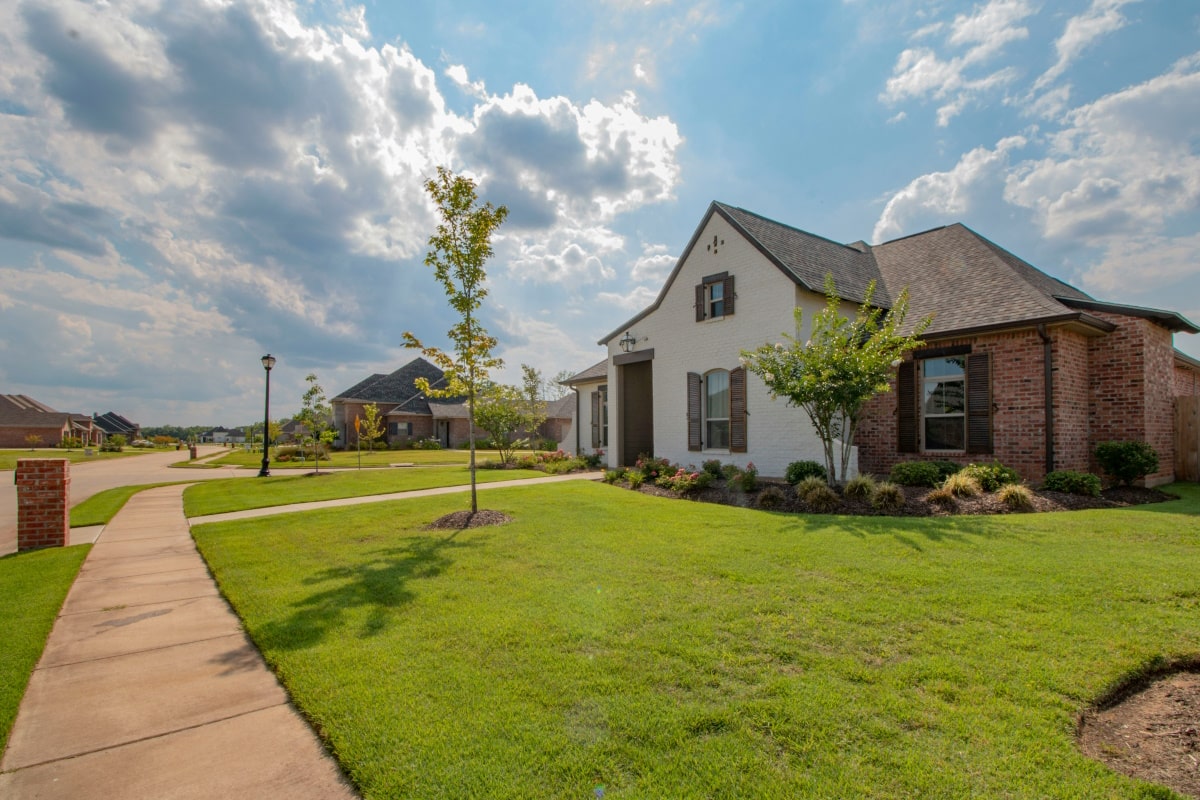
For generations, owning a home has been part of the Australian idea of a good life. It is more than a roof over your head: it is security, stability and a place that is truly yours. But is home ownership really the key to a happy life, or is that just a story we tell ourselves? In 2026, with rents still climbing and interest rates rising again, the question matters more than ever.
This article looks at what the research says about home ownership and wellbeing, the real pros and cons of owning versus renting in Brisbane today, and how to make home ownership work for you.
First published May 2024 and fully updated October 2026.
What the research says about home ownership and wellbeing
Australian research consistently finds that renters, on average, report poorer mental health than home owners. But the reason is not simply owning a title deed. Researchers using the long-running HILDA survey found that the gap largely disappears for renters who have lived in the same home for around six years. Their conclusion: stability and security, the ability to stay put and plan your life, are what matter most.
Other Australian studies tell a similar story. Housing insecurity, from frequent moves, unexpected rent rises or the fear of a lease not being renewed, has been linked with stress and poorer wellbeing, particularly for families and older renters.
Home ownership is the most common way Australians get that long-term stability. When you own your home, you decide when to move, how to improve it, and who lives next to your children’s bedroom wall.
Home ownership in Australia today
At the 2021 Census, about two in three Australian households owned their home, around 31% outright and 35% with a mortgage, while about 31% rented. That share has slowly declined over recent decades as prices have outpaced incomes, particularly for younger Australians. The dream is still widely shared, but it has become harder to reach, which is one reason government schemes now focus on helping first home buyers into the market sooner.
- No lease renewals. You never wonder whether the owner will sell, move back in or end your lease.
- No routine inspections. Your home is private, on your terms.
- Control over rising costs. Your loan repayments can rise with interest rates, but your principal falls over time, and no landlord can raise the price of the property itself.
- Roots in a community. Children stay in the same school catchment; you know your neighbours and your local shops.
This stability is especially valuable in tight rental markets like Brisbane’s. In the June quarter of 2026, the REIQ recorded a rental vacancy rate of about 0.8% across Greater Brisbane, far below the 2.6–3.5% it considers healthy, and Brisbane house rents were still rising by around 6–7% a year. For many renters, moving house is not a choice but a scramble.
Ownership also brings the freedom to shape your home around your life. Paint the walls, plant a garden, renovate the kitchen, add a granny flat for family, get a dog. Every improvement adds to your quality of life and, often, to the value of an asset you own. That sense of pride and ownership is something renting rarely matches.
For most Australian households, the family home is their largest store of wealth. Over time, repaying a mortgage works like forced savings, and capital growth in well-located South East Queensland suburbs has historically been strong. By retirement, many owners live largely rent-free and mortgage-free, a major advantage over lifelong renting.
But ownership has costs, and 2026 is a reminder of them:
- Interest rates. After four rises in 2026, the cash rate is 4.60%, and variable repayments have risen with it.
- Prices can fall. Brisbane values have eased about 5% from their May 2026 peak, though they remain higher than a year ago.
- Upfront and ongoing costs. Transfer duty (unless you qualify for a concession), legal fees, insurance, rates, maintenance and repairs all add up.
- Less flexibility. Selling and buying again is expensive, so ownership suits people who plan to stay for several years.
Happiness from ownership depends on buying something you can comfortably afford. A home that stretches you to breaking point brings stress, not security.
The benefits of ownership grow with age. Older Australians who own their homes outright typically have far lower housing costs than renters, which makes a modest retirement income go much further. Ownership also gives choices in later life: staying put, downsizing, or freeing up equity for travel or care. Our guide to building a property portfolio for retirement explores this further.
| Factor | Owning | Renting |
| Stability | High: you decide when to move | Depends on the landlord and lease |
| Housing costs | Repayments move with interest rates; the loan shrinks over time | Rents rising about 6–7% a year in Brisbane (mid-2026) |
| Wealth building | Equity grows as you repay and as values rise | Only if you invest the difference consistently |
| Flexibility | Lower: buying and selling is costly | Higher: easier to relocate |
| Control | Full control over improvements | Limited |
| Upfront costs | Deposit, duty (unless exempt), legal and inspection costs | Bond and moving costs |
There is no single right answer. But for people planning to stay in one area for five years or more, ownership usually wins on both security and long-term wealth.
If stability is what makes home ownership valuable, the home itself should support the life you want to live. Think about the commute you will do twice a day for years, the walk to school or the park, how much sunlight the living areas get, and whether there is space to work from home or for family to visit. Quiet streets, good neighbours and a sense of community are hard to measure but make a real difference. These everyday qualities are also what future buyers value, so a home that suits your wellbeing tends to hold its value well too.
Not everyone can buy where they want to live. Rentvesting, renting where you want to live while buying an investment property where you can afford, lets you start building equity sooner. Our guide to rentvesting vs first home buyer grants compares the two paths.
Government schemes can also help. The Australian Government 5% Deposit Scheme lets eligible first home buyers buy with a 5% deposit and no lenders mortgage insurance, and Help to Buy offers shared equity with a 2% deposit. Our guide to buying your first home in 2026 explains how to prepare.
With the cash rate at 4.60%, buying requires careful budgeting. A sensible approach is to compare the full cost of owning (repayments, rates, insurance and maintenance) with the rent you pay now, and then consider the equity you build as you repay the loan. Many buyers find that, after a few years, rising rents close much of the gap. A mortgage broker can model your repayments at today’s rates and with a buffer for further rises, and our guide to interest rates in 2026 explains what to watch.
- Buy within your means. Leave room in your budget for rate rises and life’s surprises.
- Choose location over size. A well-located home supports your lifestyle and holds its value.
- Think about your future. Will the home suit you in five or ten years, with children, ageing parents or a change of work?
- Do your due diligence. Check the seller disclosure, flood maps and building and pest reports before you commit.
- Get the right team. A good broker and buyer’s agent take much of the stress out of buying.
Our article on seven overlooked aspects that drive owner-occupier appeal is a useful checklist for choosing a home you will love living in.
- Start a dedicated savings account and automate a regular deposit; lenders look for genuine savings over at least three months.
- Check your eligibility for the 5% Deposit Scheme, Help to Buy and Queensland’s first home grant and duty concessions.
- Know your borrowing power by talking to a broker early, even if you are a year or more away.
- Research suburbs you could afford now, not just where you would like to live eventually.
- Consider a stepping stone: a smaller home or a rentvesting purchase can get you into the market and build equity for your next move.
At IPS Buyer’s Agents, we help owner-occupiers across Greater Brisbane, the Sunshine Coast, the Gold Coast, Moreton Bay and Ipswich find homes that suit their lives, at the right price. We do the research, inspections and negotiation, so you can focus on what matters. Read our client success stories or talk to us about finding your home.
- The Conversation: Stability and security, the keys to closing the mental health gap between renters and home owners
- Australian Bureau of Statistics: 2021 Census QuickStats, Australia
- Leeson Valuers: REIQ vacancy rates, June quarter 2026
- Smart Property Investment: Brisbane property market update, July 2026
- Reserve Bank of Australia: Monetary Policy Decision, 29 September 2026
- Housing Australia: Australian Government 5% Deposit Scheme
Does owning a home make you happier?
Research suggests stability is what matters most: Australian studies using the HILDA survey found the mental health gap between renters and owners largely closes for renters who stay in the same home for about six years. Ownership is the most common way to get that stability.
Is it better to buy or rent in Brisbane in 2026?
With Brisbane rental vacancy below 1% and rents rising, buying usually wins for people planning to stay five years or more, provided the repayments are comfortably affordable at today’s higher interest rates.
What are the downsides of owning a home?
Repayments rise with interest rates, prices can fall, and there are upfront and ongoing costs such as duty, legal fees, insurance, rates and maintenance.
What if I cannot afford to buy where I want to live?
Rentvesting, renting where you want to live and buying an investment where you can afford, lets you start building equity sooner. Government schemes can also help first home buyers.
How can I make home ownership less stressful?
Buy within your means, choose location over size, keep a cash buffer, do thorough due diligence, and use a good broker and buyer’s agent.
What share of Australians own their home?
At the 2021 Census, about two in three households owned their home: around 31% outright and 35% with a mortgage. About 31% rented.
Is renting bad for your mental health?
Research using the HILDA survey suggests insecurity, not renting itself, is the main issue: renters who stay in the same home for around six years report mental health similar to owners.