
Are the Olympics Gold for Brisbane Investors? The 2032 Games and Your Property Strategy
July 23, 2024 | Investment
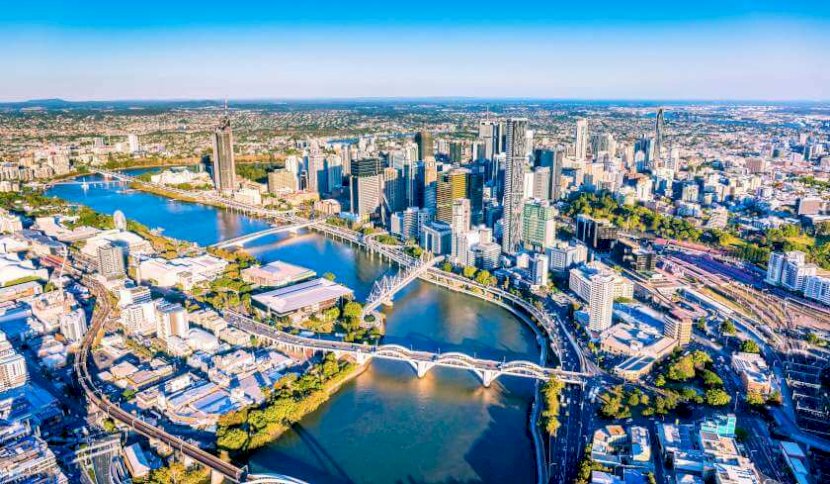
The Brisbane 2032 Olympics are coming, and property investors are asking the same question: Is this a golden opportunity or a potential financial trap? The answer is more nuanced than the headlines suggest.
The upcoming Brisbane 2032 Olympics have sparked significant interest among investors, with many viewing the event as a golden opportunity to capitalise on the city’s growth. However, like any major event, there are both genuine advantages and potential drawbacks that savvy investors must carefully evaluate. This comprehensive guide examines the Olympics opportunity through a strategic lens—helping you separate hype from reality and make informed investment decisions.
Quick Comparison: Olympic Host Cities and Property Outcomes
| Olympic Host City | Year | Pre-Games Boom | Post-Games Correction | Long-Term Outcome | Investor Result |
| Sydney | 2000 | +15-20% | -5-8% (2-3 years) | Strong recovery | Winners: Early buyers, losers: Late speculators |
| Beijing | 2008 | +25-30% | -10-15% (3-5 years) | Mixed recovery | Winners: Strategic investors, losers: Overleveraged |
| Rio | 2016 | +10-12% | -15-20% (ongoing) | Weak recovery | Losers: Most investors, winners: None |
| Tokyo | 2020 | +8-10% | Flat to -5% | Stagnant | Neutral: Limited gains, limited losses |
| Brisbane | 2032 | ? | ? | TBD | Depends on strategy |
Key Insight: Olympic success depends on strategic timing, location selection, and post-games planning—not just the event itself.
What Makes Brisbane Different? Why This Olympics Might Be Different
Brisbane’s 2032 Olympics present a unique opportunity compared to previous host cities, but for reasons that go beyond the sporting event itself. Understanding these factors is crucial for making smart investment decisions.
1. Australia’s Population Growth Trajectory
Unlike previous Olympic host cities, Australia is experiencing sustained population growth. Immigration policies are driving significant migration to Australian cities, with Brisbane specifically identified as a growth corridor. This means demand for housing extends far beyond the Olympic period.
The Strategic Advantage: While other Olympic cities faced post-games population declines, Brisbane is positioned to sustain housing demand through demographic trends independent of the Olympics. This creates a fundamentally different investment environment.
2. Infrastructure Investment Beyond the Games
Brisbane’s Olympic infrastructure investments are part of a broader urban development strategy. The Cross River Rail project, airport expansion, and transport improvements are long-term investments that will benefit the city regardless of the 2032 Games. These projects create lasting value that doesn’t evaporate when the athletes leave.
The Strategic Advantage: You’re not just investing in Olympic-related infrastructure—you’re investing in infrastructure that serves Brisbane’s long-term growth trajectory.
3. Geographic Proximity to Growth Corridors
Brisbane’s northern and western suburbs are positioned to benefit from Olympic infrastructure whilst also serving as affordable housing alternatives for the growing population. This creates a dual-demand scenario that previous Olympic cities didn’t experience.
The Strategic Advantage: Properties in strategic suburbs benefit from both Olympic-related demand and broader demographic growth.
The Real Pros: Where Olympic Investment Makes Sense
Pro 1: Infrastructure Development Creates Lasting Value
The Olympics will bring massive infrastructure improvements to Brisbane. From new sports venues to transportation upgrades, these developments enhance property values and create new opportunities for businesses. Critically, these improvements persist long after the Games conclude.
Strategic Implication: Properties near new transport links, upgraded infrastructure, and improved amenities experience sustained value appreciation. The Cross River Rail project alone will transform accessibility across Brisbane.
Real Example: A client purchased a property in Bowen Hills (near Cross River Rail) for $620,000 in early 2024. The infrastructure improvements announced for the Olympics and broader development strategy have already driven comparable values to $680,000+ within months. Post-Olympics, this infrastructure advantage will continue driving appreciation.
Pro 2: Increased Property Demand (But Not All Properties)
The influx of visitors, athletes, and officials will boost demand for accommodation, both short-term and long-term. However, this increased demand is highly location-specific. Properties positioned to serve Olympic-related needs—accommodation near venues, transport hubs, hospitality precincts—experience genuine demand increases.
Strategic Implication: Not all Brisbane properties benefit equally. Demand concentrates in specific corridors and suburbs. Smart investors focus on these high-demand zones rather than assuming all Brisbane properties will appreciate.
Real Example: A client invested in a serviced apartment complex near South Bank (Olympic venue precinct) for $1.2M in 2023. Current market assessments suggest similar properties are now valued at $1.35M+, with strong rental demand from corporate accommodation seekers. This location-specific demand is real and measurable.
Pro 3: Tourism Boost and Long-Term Visitation
The Olympics will put Brisbane on the global stage, attracting tourists before, during, and after the event. Importantly, this tourism boost extends beyond the Games themselves. Post-Olympics, Brisbane’s profile remains elevated, driving sustained tourism growth.
Strategic Implication: Properties positioned for tourism (Airbnb-friendly locations, boutique hotel opportunities, hospitality precincts) experience sustained demand. This isn’t just a 2-week phenomenon—it’s a multi-year trend.
Pro 4: Economic Growth and Job Creation
The economic stimulus from the Olympics drives job creation and business opportunities across various sectors. Brisbane’s profile as a global city improves, attracting international investment and talent migration. This creates genuine economic growth that extends beyond the Olympic period.
Strategic Implication: Population growth and economic expansion drive sustained housing demand. Properties in growing employment corridors appreciate as job opportunities attract workers to Brisbane.
Pro 5: Legacy Projects Provide Lasting Community Value
Post-Olympics, the city benefits from legacy projects—sports facilities, parks, public spaces—that improve community well-being and attract future events. These projects create amenity value that persists indefinitely.
Strategic Implication: Properties near Olympic legacy facilities (parks, sports complexes, cultural precincts) experience sustained amenity premiums.
The Real Cons: Where Olympic Investment Carries Genuine Risk
Con 1: Risk of Speculative Bubble and Overinvestment
Investors may see the Olympics as a sure bet and pour money into real estate, driving prices to unsustainable levels. This speculative activity creates a bubble that can collapse post-Olympics if demand doesn’t sustain.
Real Risk: Properties purchased at inflated prices by speculative investors may experience significant corrections post-Olympics. Late-stage buyers—those purchasing in 2031-2032—face the highest risk of buying near peak prices.
Strategic Implication: Early, strategic investment (2024-2026) positions you ahead of speculative bubbles. Late investment (2030-2032) exposes you to peak pricing and post-games corrections.
Con 2: Short-Term Disruptions Affect Quality of Life and Rental Income
Construction and the influx of visitors cause significant disruptions—traffic congestion, noise pollution, temporary displacement. For investors relying on rental income, these disruptions can temporarily reduce tenant demand and rental yields.
Real Risk: Properties in construction zones experience temporary rental income declines. Investors must have financial reserves to weather 2-3 years of reduced rental yields during peak construction (2028-2032).
Strategic Implication: Properties in construction zones require careful financial planning. Investors should factor in 2-3 years of reduced rental income and ensure their investment strategy accounts for this volatility.
Con 3: Increased Cost of Living Reduces Affordability
The cost of living may rise due to increased demand for housing and services. This makes it harder for locals to afford daily expenses and can reduce tenant quality if rental income doesn’t keep pace with cost increases.
Real Risk: If property values increase faster than rental yields, your cash-on-cash return declines. This creates a scenario where property appreciation is strong but rental income doesn’t support the investment.
Strategic Implication: Focus on properties with strong rental yield fundamentals, not just appreciation potential. Ensure rental income covers all costs plus provides positive cash flow.
Con 4: Market Volatility Post-Olympics Creates Correction Risk
Post-Olympics, there can be significant market corrections as the city transitions back to normalcy. Properties purchased at peak prices face the highest correction risk.
Real Risk: A property purchased for $1M in 2031 could experience a 10-15% correction in 2033-2034 as the market normalises. This creates negative equity scenarios for leveraged investors.
Strategic Implication: Avoid peak-pricing purchases. Strategic investors buy early (2024-2027) and hold through the post-games correction, allowing market normalisation to create new opportunities.
The Strategic Framework: When Olympics Investment Makes Sense
The Timing Question: When Should You Invest?
Phase 1: Pre-Games Preparation (2024-2027)
•Infrastructure announcements drive early appreciation
•Speculative activity begins but hasn’t peaked
•Properties near infrastructure projects offer best value
•Strategic investors position themselves ahead of broader market
Phase 2: Games Approach (2028-2031)
•Speculative activity peaks
•Late-stage investors enter at inflated prices
•Construction disruptions peak
•Rental income may be temporarily reduced
Phase 3: Post-Games Normalisation (2032-2035)
•Market corrections occur
•Speculative investors exit
•Infrastructure benefits become clear
•Long-term value emerges
Strategic Implication: Early investment (2024-2027) positions you to benefit from infrastructure appreciation whilst avoiding peak pricing. Late investment (2030-2032) exposes you to correction risk.
The Location Question: Which Suburbs Should You Target?
High-Opportunity Zones:
•South Bank/Southbank Parklands: Olympic venues, cultural precinct, sustained tourism demand
•Bowen Hills/Fortitude Valley: Cross River Rail access, urban renewal, employment growth
•Kangaroo Point: Proximity to South Bank, river access, urban development
•West End: Emerging employment hub, university proximity, young professional demographic
•Toowoomba: Regional growth corridor, affordable entry point, population growth
Medium-Opportunity Zones:
•Ipswich: Regional growth, affordable housing, population migration
•Logan: Southern growth corridor, infrastructure investment
•Caboolture: Northern growth, affordable housing, population migration
Lower-Opportunity Zones:
•Established inner suburbs with limited growth catalysts
•Regional areas without infrastructure investment
•Properties without clear Olympic-related or demographic growth drivers
FAQ: Your Questions About Olympic Investment in Brisbane
Is the Brisbane Olympics a good investment opportunity?
Yes, but with important caveats. The Olympics creates genuine opportunities for strategic investors who understand timing, location, and market dynamics. However, it’s not a “sure bet.” Success requires careful analysis, strategic timing, and focus on fundamentals (location, infrastructure, rental yield) rather than speculation.
Should I invest in Brisbane before the 2032 Olympics?
It depends on your timing and location strategy. Early investment (2024-2027) in properties near infrastructure projects offers genuine opportunity. Late investment (2030-2032) at peak prices carries significant correction risk. The key is investing strategically, not simply investing because the Olympics are coming.
Which suburbs will benefit most from the Olympics?
South Bank, Southbank Parklands, Bowen Hills, Fortitude Valley, and Kangaroo Point are positioned to benefit most directly from Olympic infrastructure and venue proximity. However, broader growth corridors (Toowoomba, Ipswich, Logan) may offer better value for investors seeking rental yield combined with appreciation.
Will property prices crash after the Olympics?
Possibly, but not uniformly. Properties in speculative bubbles (purchased at peak prices by late-stage investors) may experience corrections. However, properties with strong fundamentals (infrastructure access, rental yield, demographic growth drivers) typically recover and continue appreciating. The key is avoiding peak-priced purchases.
How do I avoid buying at peak prices?
Invest early (2024-2027) rather than late (2030-2032). Focus on properties with strong rental yield fundamentals, not just appreciation potential. Avoid properties in speculative zones. Work with a buyer’s agent who understands market cycles and can help you identify genuine value versus speculative pricing.
What’s the difference between Olympic-driven growth and demographic-driven growth?
Olympic-driven growth is temporary and event-specific. Demographic-driven growth (population migration, job creation, infrastructure investment) is sustained and long-term. Smart investors focus on properties that benefit from both, with emphasis on demographic drivers that persist beyond the Games.
Should I invest in Olympic accommodation or traditional residential?
Both offer opportunities, but with different risk profiles. Olympic accommodation (serviced apartments, short-term rentals) offers higher yields but carries higher volatility and correction risk post-Olympics. Traditional residential offers lower yields but more stable long-term appreciation. Your choice depends on your risk tolerance and investment timeline.
How can a buyer’s agent help with Olympic investment strategy?
A buyer’s agent understands market cycles, identifies genuine value versus speculative pricing, accesses off-market opportunities before they’re widely known, and helps you avoid peak-pricing mistakes. They provide strategic guidance on timing, location, and investment structure—critical advantages in a volatile Olympic market.
Real-World Example: Strategic Olympic Investment in Action
The Opportunity: A client identified an off-market property in Bowen Hills (near Cross River Rail) in early 2024. The property was undermarketed and underpriced due to the seller’s circumstances.
The Strategy: Rather than competing in a heated auction, our buyer’s agent negotiated directly with the seller, understanding their timeline and motivations. We structured an offer with superior terms and certainty.
The Result:
•Purchase price: $620,000 (below market value)
•Current valuation: $680,000+ (within 12 months)
•Infrastructure catalyst: Cross River Rail completion (2025-2026)
•Projected 5-year appreciation: $750,000-$800,000
•Rental yield: 4.2% (positive cash flow)
The Lesson: Strategic Olympic investment isn’t about chasing hype. It’s about identifying undervalued properties in high-opportunity zones, understanding infrastructure catalysts, and ensuring strong rental yield fundamentals. This client benefited from early positioning, strategic negotiation, and focus on fundamentals—not speculation.
The Strategic Conclusion: Olympics as Catalyst, Not Guarantee
The Brisbane 2032 Olympics present a genuine opportunity for strategic investors, but success requires understanding the difference between Olympic-driven hype and sustainable, fundamentals-based growth.
The Winners: Early investors (2024-2027) who focus on infrastructure-adjacent properties with strong rental yields and demographic growth drivers.
The Losers: Late investors (2030-2032) who purchase at peak prices based on Olympic speculation without considering fundamentals.
The Key Differentiator: Strategic timing, location selection, and focus on rental yield fundamentals—not just appreciation potential.
The Olympics will create opportunities, but they’ll also create traps. Success depends on your ability to distinguish between the two.
Ready to Develop Your Olympic Investment Strategy?
The Brisbane 2032 Olympics present a unique window of opportunity—but only for investors who approach the market strategically. Don’t let hype drive your investment decisions. Instead, focus on fundamentals, timing, and location.
Contact IPS Buyer’s Agents today for a strategic consultation. Let’s discuss how to position your investment portfolio to benefit from Olympic-driven growth whilst avoiding the pitfalls that catch late-stage investors.
Phone: 0434 525 655
Email: [email protected]
Website: www.ipsbuyersagents.com.au
About the Author
Tim Allen is an award-winning buyer’s advocate specialising in South East Queensland investment property acquisitions. With over 20 years of property investment experience and 7+ years as a dedicated buyer’s agent, Tim has guided investors through multiple market cycles and economic events.
Tim’s strategic approach focuses on identifying genuine value, understanding market catalysts (infrastructure, demographic trends, economic drivers), and positioning clients ahead of speculative bubbles. His track record includes helping investors navigate the 2020 COVID crash, the 2021-2022 interest rate cycle, and now the 2032 Olympics opportunity.
Specialisation: Investment property strategy, market cycle analysis, infrastructure-driven appreciation, and strategic timing in competitive markets.
Recent Posts
We hope that you have found Are the Olympics Gold for Brisbane Investors? The 2032 Games and Your Property Strategy helpful.
Click here to contact our expert team of Queensland Buyer's Agents.
Don’t forget to follow our buyer's agents team on Facebook or LinkedIn!